Digital devices have become an integral part of our daily lives, but prolonged use of screens can lead to digital eye strain, also known as computer vision syndrome. Common symptoms include dry eyes, blurry vision, headaches, and difficulty focusing. The 20-20-20 rule is a simple yet effective strategy designed to reduce these symptoms and support long-term visual health.
What is the 20-20-20 Rule?
The 20-20-20 rule involves the following steps:
1. Every 20 Minutes: After using a screen for 20 minutes, take a break.
2. Look at Something 20 Feet Away: Focus your eyes on an object that is at least 20 feet away from you. This distance allows your eyes to relax and avoid continuous strain caused by close-up focus.
3. For at Least 20 Seconds: Maintain this gaze for a minimum of 20 seconds before returning to your screen work.
This practice helps reset the eye’s focusing ability and decreases fatigue associated with continuous near-distance work.
Why Does the Rule Work?
Extended screen use requires our eyes to work harder compared to other activities like reading from paper. Staring at screens for long durations causes the ciliary muscles in the eyes (responsible for focusing) to remain in a constant state of contraction, which leads to strain over time. By following the intervals prescribed by the 20-20-20 rule, these muscles are given periodic rest and recovery time.
Additional benefits of this practice include:
– Reduction in dryness caused by infrequent blinking while looking at screens.
– Prevention of long-term conditions such as myopia progression due to excessive near-work focus.
– Improved productivity since short breaks help combat mental fatigue.
Tips for Incorporating the Rule into Your Routine
- Use apps or alarms on your phone or computer that prompt you every 20 minutes.
- There are several free browser extensions designed specifically for enforcing digital breaks.
- Identify objects in your environment that are roughly 15–25 feet away from where you work—such as a picture frame or window view—and use them as focal points during breaks.
- During breaks, consciously blink several times to refresh your tear film and prevent dry eyes.
- Position screens at least an arm’s length away.
- Ensure proper lighting to minimize glare on screens while maintaining sufficient ambient light.
Table Summary
| Step | Action | Benefit |
| Every 20 Minutes | Take a break from screens | Reduces continuous strain |
| Look at Something Far | Focus on an object ~20 ft | Relaxes eye muscles |
| For At Least 20 Secs | Hold focus | Refreshes visual system |
The Science Behind It
Research supports intermittent breaks during intensive screen work as an effective method for reducing symptoms of digital eye strain. A study published in Ophthalmology reported that regular pauses paired with distant focus significantly reduced discomfort among participants engaged in prolonged computer tasks.
By adopting this easy-to-follow habit into daily routines, individuals can protect their vision while maintaining productivity in today’s technology-driven world.
How Houston Eye Care Specialists Recommend Warm Compress Therapy for Relaxation and Eye Health
Warm compress therapy is a simple yet effective way to alleviate discomfort and rejuvenate tired eyes. This approach, rooted in the application of gentle heat, can address a variety of common eye issues while promoting overall relaxation. Let’s explore how this method works, its benefits, and how you can incorporate it into your routine.
How Warm Compress Therapy Works
The warmth from a compress improves circulation around the eyes, relaxes strained muscles, and encourages the release of oils from the meibomian glands in the eyelids. These glands produce essential oils that prevent tears from evaporating too quickly, ensuring proper lubrication of the eyes.
A warm compress can benefit individuals experiencing:
– Dry eye syndrome
– Eye strain caused by prolonged screen use
– Styes or chalazion (blocked oil glands)
– Blepharitis (eyelid inflammation)
Benefits of Warm Compress Therapy
- Relieves dryness: Moist heat stimulates tear production and maintains moisture balance.
- Reduces inflammation: The warmth soothes inflamed or swollen areas around the eyelids.
- Eases muscle tension: Gentle heat relaxes strained ocular muscles caused by stress or screen exposure.
- Promotes healing: Improved blood flow supports tissue repair in cases of irritation or minor injuries.
How to Use a Warm Compress at Home
- A clean washcloth or soft towel
- A bowl of warm water (not hot)
- Optional: microwave-safe heating pad designed for eyes
- Wash your hands thoroughly.
- Soak the cloth in warm water and wring out excess liquid.
- Close your eyes and gently place the cloth over them.
- Rest with the compress on for 5–10 minutes or until it cools down.
- Re-soak as needed to maintain warmth.
- Repeat this process 1–2 times daily for optimal results.
If you opt for a microwaveable heating pad specifically designed for eyes, follow manufacturer instructions carefully to ensure safety.
Precautions When Using Warm Compresses
- Avoid excessive heat to prevent burns or irritation; test water temperature before applying it near sensitive skin.
- Ensure cleanliness by using freshly laundered cloths each time to minimize infection risks.
- Consult an eye care professional if symptoms persist despite regular use of warm compresses.
| Issue Addressed | Benefit Provided | Frequency Recommended |
| Dry eye syndrome | Stimulates tear production | 1–2 times daily |
| Styes | Reduces swelling | Until improvement is noticeable |
| Blepharitis | Eases lid inflammation | As advised by an ophthalmologist |
Warm compress therapy is an accessible solution that can be seamlessly integrated into daily routines for maintaining healthier, more comfortable eyes over time.
Soothing Heat for Eye Health: How Houston Eye Clinic Promotes Relaxation and Restoration
Warm compress therapy is a simple, effective, and natural method to alleviate eye discomfort and promote relaxation. By applying gentle heat to the eyelids, this therapy helps stimulate circulation, ease muscle tension, and provide relief from common eye conditions. Here’s an in-depth look at how warm compress therapy works and why it’s beneficial for eye health.
Benefits of Warm Compress Therapy
- Improves Circulation
The warmth from a compress increases blood flow to the tissues around the eyes. This improved circulation helps deliver oxygen and essential nutrients while removing toxins. - Reduces Eye Strain
For individuals who spend long hours staring at screens or engaging in visually intensive tasks, warm compresses help relax strained ocular muscles. - Relieves Dry Eye Syndrome
One of the leading causes of discomfort is dry eye syndrome, often resulting from insufficient tear production or poor tear quality. A warm compress can help by unclogging blocked oil glands (Meibomian glands), which improves the moisture layer of the eyes. - Soothes Pain from Infections
Conditions such as styes or blepharitis (inflammation of the eyelids) may cause pain and irritation. Warm compresses help alleviate these symptoms by reducing swelling and promoting drainage. - Encourages Relaxation
Beyond physical relief, warm compresses create a calming effect that reduces stress—a factor that can contribute to eye discomfort.
When to Use Warm Compress Therapy
Warm compresses are particularly helpful for managing conditions such as:
– Dry eye syndrome
– Styes or chalazion
– Blepharitis
– Eye fatigue caused by prolonged screen usage
– Sinus headaches that radiate near the eyes
This therapy is also ideal after long hours of travel or exposure to environmental irritants like wind or smoke.
How to Apply a Warm Compress: Step-by-Step Guide
- Use a clean washcloth or an eye mask designed specifically for warm compresses.
- Heat water until it’s comfortably warm but not scalding.
- Soak and Wring Out Excess Water:
Dip the washcloth into the water, wring out excess liquid, and ensure it’s damp but not dripping. - Apply Over Closed Eyes:
Place the cloth gently over your closed eyelids for 5–10 minutes, ensuring consistent warmth throughout this time. - Reheat if Necessary:
If you feel the cloth cooling down too quickly, re-soak it in warm water as needed. - Clean Up Afterward:
Gently pat your face dry with a clean towel once you’re done. Make sure you regularly wash reusable materials like masks or cloths to prevent bacterial buildup.
Precautions
While warm compress therapy is generally safe, keep these tips in mind:
– Avoid excessive heat that could burn your skin.
– Use only clean materials to prevent infections.
– Consult an eye specialist if symptoms persist despite regular use.
| Condition | Frequency Recommendation | Duration |
| Dry Eye Syndrome | 1–2 times daily | 10 minutes |
| Blepharitis | 2–3 times daily | 5–10 minutes |
| General Eye Fatigue | As needed | 5–10 minutes |
Combining Warm Compress Therapy with Other Remedies
For optimal results:
– Pair this method with other practices such as using lubricating eye drops for enhanced hydration.
– Follow up with gentle eyelid massage after applying heat to encourage drainage from oil glands.
– Incorporate breaks during screen time using techniques like the 20-20-20 rule for additional relief.
Warm compress therapy can be seamlessly integrated into your routine as both a treatment option and preventive measure against common ocular issues—promoting better comfort and overall eye health over time.
Eye Exercises and Focusing Techniques: Strengthening Vision and Reducing Strain
In today’s digital age, prolonged screen time and constant near-focus tasks can lead to eye strain, discomfort, and even reduced focusing ability over time. Incorporating simple eye exercises and focusing techniques into your daily routine can strengthen your eye muscles, improve flexibility in focus, and reduce strain. Below is a guide to effective exercises that promote healthier vision.
Benefits of Eye Exercises
- Improved focus: Regular exercises help enhance the ability to switch focus between near and distant objects.
- Reduced digital eye strain: Helps alleviate symptoms like dryness, headaches, or blurred vision caused by screen overuse.
- Strengthened eye coordination: Enhances the eyes’ ability to work together for better depth perception and accuracy.
- Prevention of fatigue: Exercises relax overworked muscles and reduce tiredness.
Effective Eye Exercises and Techniques
- Rub your hands together to generate heat.
- Place your palms gently over closed eyes without applying pressure.
- Relax for 60 seconds while visualizing darkness or a calming scene.
- Hold an object (like a pen) at arm’s length in front of you.
- Slowly bring it closer to your nose while maintaining focus.
- Gradually move it back out again. Repeat this exercise 10 times.
- Imagine a large figure-eight lying on its side about 10 feet away from you.
- Slowly trace this shape with your eyes for 30 seconds in one direction, then switch directions.
- Choose an object close to you (about 10 inches away) to focus on for 15 seconds.
- Shift your gaze to something far away (at least 20 feet) for another 15 seconds.
- Alternate between near-and-far objects for two minutes.
- Sit comfortably with a straight posture.
- Roll your eyes clockwise in a slow circular motion, completing five rotations.
- Reverse the movement counterclockwise for another set of five rotations.
Practical Tips for Incorporating these Techniques
- Perform these exercises during breaks from screen time or reading sessions.
- Use reminders or alarms every hour as prompts to practice quick techniques like the Focus Change or Palming method.
| Exercise Name | Estimated Time Needed | Frequency Recommended |
| Palming Technique | 1 minute | 2–3 times per day |
| Focus Change | 2 minutes | Every hour during screen use |
| Figure-Eight Movement | 1 minute | Once daily |
| Near-and-Far Focus | 2 minutes | Twice daily |
| Eye Rolling | Less than a minute | Morning & evening |
When to Seek Professional Help
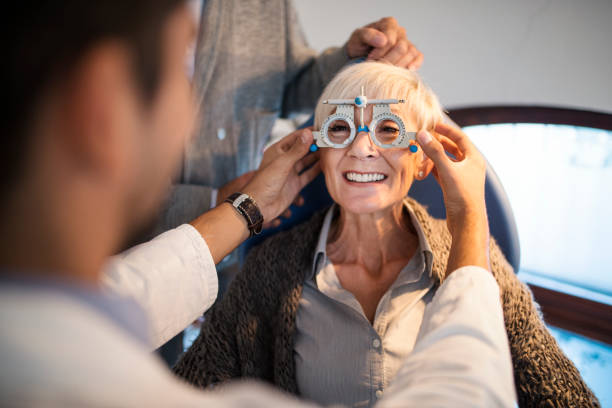
While eye exercises are beneficial for reducing strain and improving comfort, they cannot fix refractive errors like myopia or hyperopia. If you experience persistent vision problems such as double vision, difficulty focusing, or severe dryness despite regular exercise routines, consult an optometrist or ophthalmologist promptly.
By integrating eye exercises into your daily habits alongside other healthy practices like taking breaks from screens and using proper lighting, you can promote long-term visual health effectively.
Optometrist Houston TX: How Adequate Sleep Supports the Ultimate Repair System for Your Eyes
Sleep is a fundamental part of overall health, and your eyes are no exception. Proper rest not only rejuvenates your body but also allows your eyes to recover from the strain they endure throughout the day. Without sufficient sleep, you may experience symptoms like dry eyes, blurred vision, or even long-term complications. Here’s how sleep directly impacts your eye health and how to optimize rest for better vision.
The Link Between Sleep and Eye Health
When you sleep, several crucial processes occur that restore and repair your eyes:
– Lubrication: During deep sleep phases, tear production increases to hydrate and cleanse the eyes. This reduces dryness caused by exposure during waking hours.
– Repair of Tissues: Sleep supports cellular regeneration in the cornea and other tissues of the eye that may have been damaged by UV exposure or strain from screens.
– Relaxation of Eye Muscles: Just like any other muscle in your body, the muscles around your eyes need downtime to relax after constant use during waking hours.
Lack of sleep can lead to conditions such as:
– Eye Twitching (Myokymia): A common sign of fatigue that occurs due to overuse of eye muscles.
– Dry Eye Syndrome: Insufficient rest disrupts tear production, which can exacerbate dryness or irritation.
– Increased Risk of Eye Diseases: Chronic sleep deprivation has been linked to glaucoma and optic nerve damage due to increased intraocular pressure.
How Much Sleep Do Your Eyes Need?
The average adult requires 7–9 hours of uninterrupted sleep per night for optimal functioning, including healthy eye performance. However, individual needs can vary depending on factors such as age, lifestyle habits, and pre-existing conditions.
| Age Group | Recommended Hours of Sleep |
| Infants (4–12 months) | 12–16 hours (including naps) |
| Teenagers (14–17 years) | 8–10 hours |
| Adults (18–64 years) | 7–9 hours |
| Seniors (65+ years) | 7–8 hours |
Tips for Improving Your Sleep for Better Eye Health
- Create a Consistent Sleep Schedule: Go to bed and wake up at the same time daily—even on weekends—to regulate your internal clock.
- Limit Screen Time Before Bed: The blue light emitted from electronic devices interferes with melatonin production, which can delay sleep onset. Consider reducing screen exposure at least an hour before bedtime or wearing anti-blue light glasses in the evening.
- Use an Eye Mask or Blackout Curtains: Darkness promotes higher melatonin levels, enabling better-quality rest while protecting against photic stimulation during light exposure at night.
- Invest in a Humidifier for Bedroom Air Quality: Dry air can aggravate dry eye symptoms during rest periods; maintaining humidity levels between 30%–50% ensures comfort overnight.
- Stay Hydrated Throughout the Day but Avoid Excessive Fluids Before Bedtime: Dehydration contributes to dry eyes; however, drinking too much water late at night could disrupt uninterrupted rest cycles with frequent trips to the bathroom.
- Practice Relaxation Techniques Before Bed: Stress impairs REM cycles essential for recovery processes in organs like your retina; activities such as meditation or yoga help calm both mind & body pre-sleep.
By prioritizing adequate rest cycles alongside these strategies tailored toward enhancing ocular well-being—your vision remains sharper longer into adulthood without premature decline risks related solely tied back solely attributable towards neglectful patterns around getting restorative shut-eye routinely enough!
Adequate Sleep and Rest Cycles: Unlocking the Ultimate Repair System for Your Eyes
Sleep and rest cycles play a pivotal role in maintaining optimal eye health. During sleep, the body repairs and rejuvenates itself, including the delicate tissues in and around the eyes. Without adequate rest, your eyes can become strained, dry, and fatigued, potentially leading to long-term issues. This section explores how proper sleep hygiene can support eye health and provides actionable tips to enhance your rest cycles.
The Role of Sleep in Eye Health
- Cellular Regeneration: During deep sleep stages, the body repairs damaged cells within the cornea and retina.
- Tear Production: Sleep helps maintain a healthy balance of tear production to keep eyes hydrated.
- Reduction of Eye Strain: Prolonged wakefulness can strain the muscles around your eyes. Adequate sleep allows these muscles to relax.
Signs Your Eyes Aren’t Getting Enough Rest
- Persistent dryness or irritation
- Redness in the white areas of your eyes
- Difficulty focusing on objects at varying distances
- Increased sensitivity to light (photophobia)
- Eye twitches or spasms (myokymia)
Tips for Improving Sleep Quality for Better Eye Health
- Aim for 7–9 hours of uninterrupted sleep each night.
- Go to bed and wake up at the same time daily, even on weekends.
- Keep your bedroom cool (around 60–67°F or 16–19°C).
- Eliminate sources of blue light by turning off electronic devices an hour before bedtime.
- Use blackout curtains or an eye mask to block out light.
- Limit Digital Screen Time Before Bed
Excessive screen exposure before sleeping can disrupt melatonin production due to blue light emission from devices like phones, tablets, and computers. - Engage in activities like meditation or reading a book (printed materials instead of screens) to calm your mind before bed.
- Incorporate breathing exercises that promote relaxation.
Table: Recommended Hours of Sleep by Age Group
| Age Group | Recommended Hours Per Night |
| Infants (4–12 mos) | 12–16 hours |
| Toddlers (1–2 yrs) | 11–14 hours |
| Preschoolers (3–5 yrs) | 10–13 hours |
| School-age children (6–12 yrs) | 9–12 hours |
| Teens (13–18 yrs) | 8–10 hours |
| Adults (18+ yrs) | 7–9 hours |
Foods That Support Restful Sleep
- Magnesium-rich foods: Almonds, spinach, bananas
- Melatonin boosters: Tart cherries, grapes
- Tryptophan sources: Turkey, eggs
- Complex carbohydrates: Oatmeal, whole grains
By ensuring you get enough restorative sleep each night and aligning with natural circadian rhythms through proper lifestyle choices, you equip your eyes with their best defense against fatigue and strain while enhancing overall vision health over time.
Why Vision Changes with Age: Understanding Presbyopia and Available Solutions
As we age, our bodies undergo various changes, and our eyes are no exception. One of the most common age-related vision issues is presbyopia, a condition that affects the eye’s ability to focus on nearby objects. Understanding why these changes occur and exploring potential solutions can help you maintain better vision well into your later years.
What Causes Vision Changes with Age?
- Loss of Lens Elasticity: The lens inside your eye becomes less flexible with age, making it harder to adjust its shape to focus on near objects.
- Weakening of Ciliary Muscles: These muscles control the shape of the lens, and their gradual weakening reduces focusing ability.
- Changes in Pupil Size: Aging causes slower pupil dilation, reducing how much light enters the eyes. This can lead to difficulty seeing in low-light conditions.
- Decreased Tear Production: Older adults often experience drier eyes due to reduced tear production, causing irritation and visual discomfort.
These physiological shifts typically begin to manifest around the age of 40 and progress gradually over time.
Symptoms of Presbyopia
- Difficulty reading small print or focusing on nearby objects
- Need for brighter lighting when reading or performing close-up tasks
- Eye strain or headaches after prolonged periods of near work
- Holding reading materials farther away to see them clearly
Available Solutions for Managing Age-Related Vision Changes
Modern medicine offers a range of solutions for presbyopia and other age-related vision issues. These include both corrective measures and preventive strategies.
1. Corrective Lenses
- Reading Glasses: A simple solution for close-up tasks like reading or sewing.
- Bifocals: Lenses with two prescriptions—one for distance viewing and another for near work.
- Progressive Lenses: Provide a seamless transition between multiple prescriptions without visible dividing lines.
2. Surgical Options
- Refractive Surgery (LASIK): While primarily used for younger individuals, LASIK can sometimes address presbyopia by reshaping the cornea.
- Lens Implants: Advanced procedures involve replacing your natural lens with an artificial intraocular lens (IOL) that accommodates near and far vision needs.
3. Lifestyle Adjustments
Making conscious lifestyle choices can help reduce strain on aging eyes:
– Use adequate lighting in workspaces or while reading.
– Schedule regular eye exams to monitor changes in vision health over time.
– Incorporate a balanced diet rich in nutrients like vitamin A, lutein, and zeaxanthin found in leafy greens, carrots, and citrus fruits.
| Nutrients | Benefits | Sources |
| Vitamin A | Maintains healthy corneas | Carrots, sweet potatoes |
| Lutein & Zeaxanthin | Protects against macular degeneration | Kale, spinach, broccoli |
| Omega-3 Fatty Acids | Reduces dry eyes | Salmon, walnuts |
Preventing Further Vision Decline
- Follow an annual schedule for comprehensive eye exams.
- Practice protective measures such as wearing sunglasses with UV protection outdoors.
- Minimize digital eye strain by following methods like the 20-20-20 rule (taking breaks every 20 minutes to look at an object 20 feet away).
Understanding why your vision changes over time empowers you to take preventative measures while benefiting from modern advancements tailored toward clearer eyesight at any stage of life.
- Exploring Co-Management: How Optometrist Houston TX Professionals Collaborate with Ophthalmologists
- 5 Essential Tips for Maintaining Healthy Contact Lenses from an Optometrist Houston TX
- How Eye Doctor Houston TX Recommends the 20-20-20 Rule to Combat Digital Eye Strain
- When to See an Optometrist Houston TX and When to Consult a Specialist for Your Eye Health
- Eye Doctor Houston TX: Understanding the Differences Between Optometrists and Ophthalmologists
- 7 Essential Tips for First-Time Contact Lens Wearers from an Eye Doctor in Houston TX
- Houston Eye Care Specialists Share Daily Habits and Tips for Optimal Eye Health